
Tokyo Tuna Auction Breaks Record as Bluefin Fish Sells for ₹29 Crore
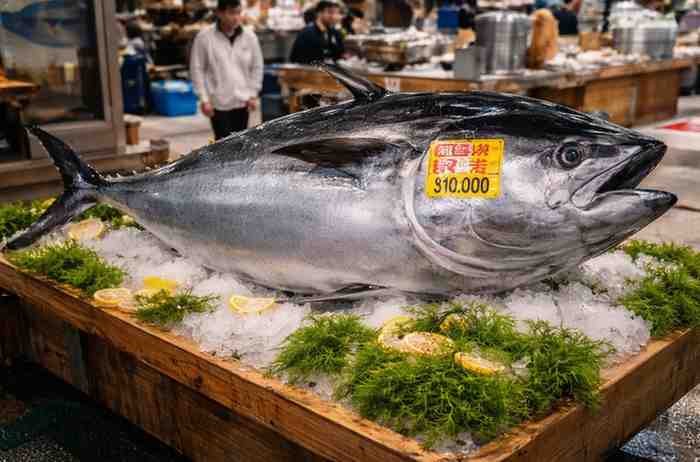
World’s Most Expensive Fish Sold in Tokyo as Bluefin Tuna Fetches Record Price
TOKYO | January 5, 2026 | 07:10 GMT
TGV World News Desk
A giant Pacific bluefin tuna was sold for a record price at Tokyo’s famed New Year fish auction, underscoring the enduring cultural prestige of Japan’s seafood trade and the global demand for premium tuna.
The fish, weighing more than 270 kilograms, was auctioned early Sunday morning at the Toyosu wholesale market for approximately ¥537 million ($3.6 million / ₹29 crore), marking the highest price ever paid for a single fish at the annual event.
The purchase drew international attention, continuing a long-standing tradition that blends commerce, symbolism, and national pride at the start of the year.
Historic sale at Tokyo’s Toyosu Market
The annual first tuna auction of the year is considered a symbolic event in Japan, often viewed as a barometer of optimism for the seafood industry.
This year’s top fish far exceeded recent auction prices, with competitive bidding pushing the final amount well beyond expectations. Market officials said the unusually high price reflected both the exceptional quality of the fish and the prestige attached to securing the first tuna of the year.
Toyosu Market, which replaced the historic Tsukiji fish market in 2018, remains one of the world’s largest wholesale seafood hubs.
Buyer seeks prestige rather than profit
The winning bid was placed by a leading sushi restaurant operator, continuing a pattern seen in past auctions where prominent buyers pay premium prices for visibility rather than commercial return.
Industry experts say such purchases are rarely intended to recover costs through menu pricing. Instead, the value lies in branding, media exposure, and tradition.
“This is more about celebration and reputation than business logic,” said a Tokyo-based seafood analyst. “The first tuna auction has become a global showcase.”
Why bluefin tuna commands such value
Pacific bluefin tuna is among the most prized fish in global seafood markets, especially for high-end sushi and sashimi. The fattiest cuts, known as toro, are considered a delicacy.
While conservation efforts in recent years have helped stabilize bluefin populations, the species remains closely monitored due to historical overfishing concerns. Experts note that size, fat content, and appearance play a critical role in determining auction prices.
A tradition watched worldwide
The New Year tuna auction routinely attracts international media, chefs, and tourists. Even during years of economic uncertainty, the event has continued to draw strong interest.
Previous record-breaking auctions were held in 2013 and 2019, but this year’s sale has now set a new benchmark, reinforcing the event’s status as both a cultural ritual and a global spectacle.
Limited impact on consumer prices
Despite the headline figure, industry officials stressed that the record auction price is unlikely to affect everyday seafood costs.
Most tuna sold at Toyosu is traded at standard market rates, and high-profile purchases represent a small fraction of overall volume. Restaurants purchasing record fish typically distribute it at regular prices as part of promotional campaigns.
Conclusion
The record-setting bluefin tuna sale at Tokyo’s Toyosu Market highlights the unique intersection of tradition, branding, and global appetite for luxury seafood. While the price may defy commercial logic, it reinforces the cultural importance of the New Year auction and Japan’s enduring influence on the global seafood trade.