
Don’t Panic At 100/$: Arvind Panagariya Urges RBI To Let Rupee Depreciate
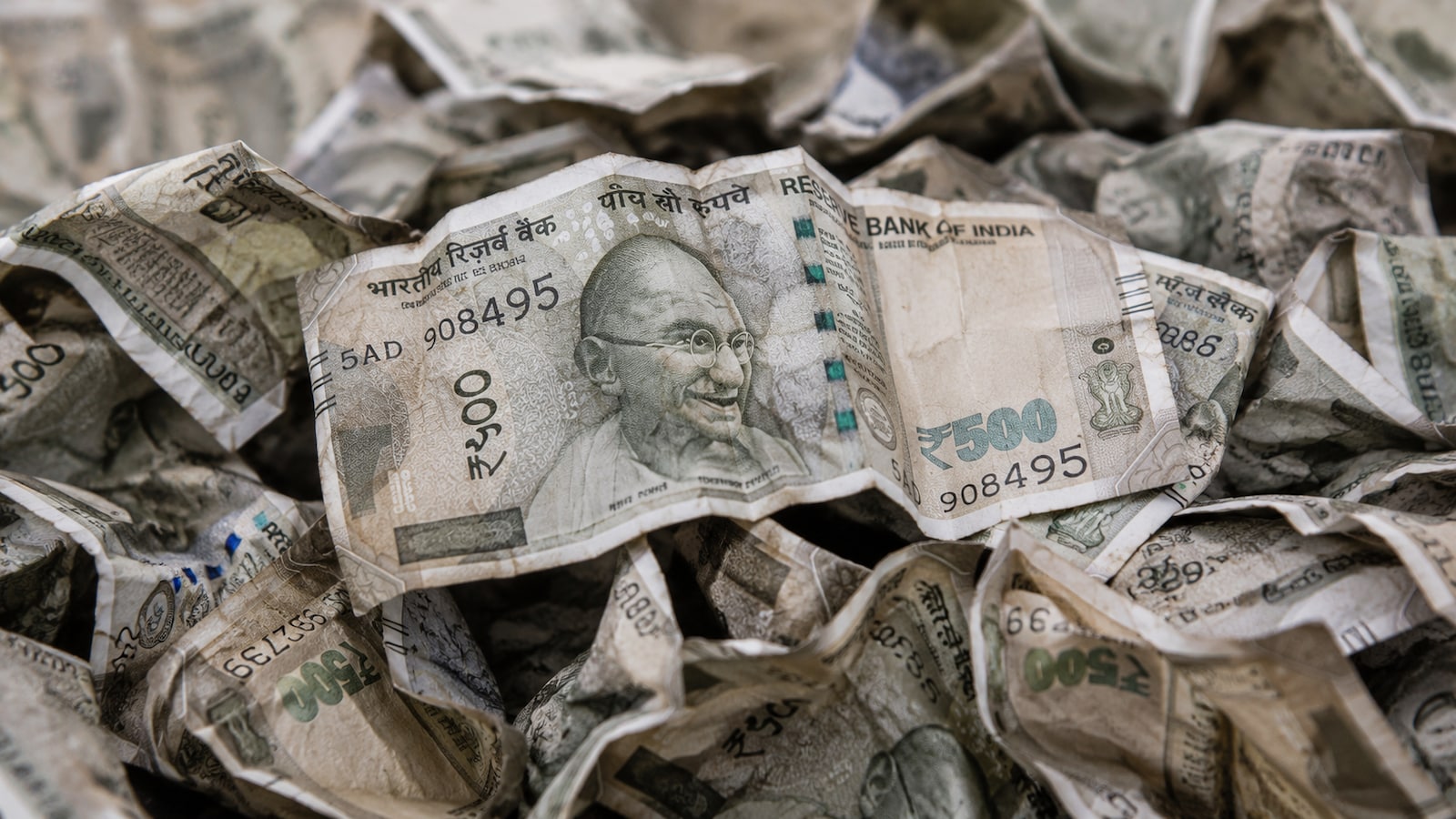
# Don’t Panic at 100/$: Arvind Panagariya Urges RBI to Let Rupee Depreciate Gradually
In recent discussions surrounding India’s economic landscape, the value of the Indian rupee has become a focal point, especially as it nears the psychologically significant mark of 100 to the US dollar. Arvind Panagariya, a prominent economist and former vice-chairman of NITI Aayog, has weighed in on this critical issue. He advocates for a pragmatic approach from the Reserve Bank of India (RBI), suggesting that instead of aggressively defending the rupee, it should allow for a gradual depreciation. This stance has sparked conversations across financial circles, prompting a reassessment of currency management strategies in India.
## The Current State of the Indian Rupee
As of late 2023, the Indian rupee has been under considerable pressure due to various factors, including rising global oil prices, geopolitical tensions, and fluctuating foreign investment flows. As it inches closer to the psychological threshold of 100 rupees per US dollar, concerns are mounting over the potential implications for the Indian economy. Some analysts fear that a significant depreciation could lead to inflationary pressures, while others argue that a weaker rupee could enhance the competitiveness of Indian exports.
## Arvind Panagariya’s Perspective
Arvind Panagariya, known for his insightful economic analyses, has taken a bold stance regarding the RBI's approach to currency management. He emphasizes that the RBI should not panic at the prospect of the rupee crossing the 100/$ mark. Instead, he suggests that a controlled depreciation could be beneficial for the Indian economy in the long term.
Understanding the Psychological Barrier of 100/$
The 100/$ mark is often viewed as a psychological barrier, where market sentiment can drastically shift, leading to increased volatility. Many stakeholders, from businesses to policymakers, perceive this level as a significant threshold that could trigger panic and negative economic sentiment. However, Panagariya argues that this perception should not dictate the RBI's actions. He believes that allowing the rupee to depreciate gradually would be a more sustainable approach, as it would enable the market to adjust without undue stress on foreign exchange reserves.
## The Case for Gradual Depreciation
Preserving Foreign Exchange Reserves
One of the primary reasons for Panagariya’s recommendation is the need to preserve India’s foreign exchange reserves. The RBI has been known to intervene in the forex market to maintain the value of the rupee, often using its reserves to do so. However, this strategy can be counterproductive, leading to a depletion of reserves that could be better utilized for other economic priorities.
By allowing the rupee to depreciate gradually, the RBI can maintain a healthier reserve position while also letting market forces play a more significant role in determining the currency's value. This approach can help avoid the pitfalls of aggressive market interventions, which often lead to short-term fixes rather than long-term solutions.
Enhancing Export Competitiveness
A weaker rupee can also make Indian exports more competitive on the global stage. As the currency depreciates, Indian goods become cheaper for foreign buyers, potentially boosting demand. This could be particularly beneficial for sectors such as textiles, pharmaceuticals, and information technology, which are crucial to India’s economic growth. By allowing the rupee to find its natural level, the government could stimulate these industries, fostering growth and job creation.
Mitigating Inflationary Pressures
While some fear that a depreciating rupee could lead to higher inflation, Panagariya contends that the relationship is not straightforward. A gradual depreciation can provide manufacturers with a buffer against rising costs, allowing them to adjust prices more effectively. Moreover, the RBI can implement complementary monetary policies to manage inflation, thereby maintaining economic stability.
## The Global Context
Lessons from Other Economies
Panagariya’s suggestions are not without precedent. Many emerging economies have successfully navigated currency depreciation without experiencing catastrophic economic fallout. For instance, countries like Brazil and Indonesia have allowed their currencies to adjust in response to market conditions, ultimately leading to stronger economic fundamentals. These case studies suggest that a similar approach could work in India, provided it is managed prudently.
The Role of Global Economic Trends
The global economic landscape is also witnessing shifts that could impact the rupee’s value. With central banks around the world adjusting their monetary policies in response to inflationary pressures, India must be mindful of these external factors. By adopting a flexible approach to currency management, the RBI can better position India to navigate these global challenges.
## Strategic Recommendations for the RBI
In light of Panagariya’s insights, several strategic recommendations emerge for the RBI:
1. **Adopt a Flexible Exchange Rate Policy:** The RBI should consider moving towards a more flexible exchange rate regime that allows for market-driven adjustments. This would enable the rupee to find its equilibrium without excessive intervention.
2. **Focus on Economic Fundamentals:** The RBI must prioritize economic growth and stability over short-term currency stabilization. This involves fostering an environment conducive to investment and innovation.
3. **Enhance Communication Strategies:** Clear and transparent communication regarding currency policies can help manage market expectations and reduce volatility. The RBI should engage with stakeholders to explain its rationale behind any policy changes.
4. **Strengthen Economic Resilience:** Implementing structural reforms to enhance the overall resilience of the Indian economy will provide a buffer against external shocks. This includes investing in infrastructure, education, and technological advancements.
## Conclusion
Arvind Panagariya’s call for a more measured approach to currency management is a timely reminder of the complexities surrounding the Indian rupee. As it nears the psychologically significant 100/$ mark, the RBI faces a critical juncture. By allowing for gradual depreciation, the central bank can preserve foreign exchange reserves, enhance export competitiveness, and ultimately foster a more robust economic environment. In this dynamic global landscape, adopting a flexible and pragmatic approach could pave the way for sustainable growth and stability for India’s economy.