Hantavirus, ebola outbreaks proof world isn’t yet prepared to protect all 8 bn people: WHO’s Helen Clark
)
# Hantavirus and Ebola Outbreaks: A Wake-Up Call for Global Health Preparedness, Says WHO’s Helen Clark
In a stark reminder of the vulnerabilities that persist in global health systems, Helen Clark, former Prime Minister of New Zealand and current Chair of the Independent Panel for Pandemic Preparedness and Response, has underscored the pressing need for enhanced global preparedness. Recent outbreaks of hantavirus and ebolavirus have revealed critical gaps in our ability to protect the world's population of over 8 billion people. Clark's insights serve as a clarion call for nations to strengthen their health infrastructure and response mechanisms to avert future pandemics.
## The Current Landscape of Viral Threats
The world continues to grapple with the repercussions of the COVID-19 pandemic, which exposed significant weaknesses in health systems worldwide. As nations strive to recover, new threats are emerging. Hantavirus and Ebola outbreaks serve as reminders that our challenges in managing infectious diseases are far from over. These viruses pose a significant risk not only to the regions where they are endemic but also to global health security.
Understanding Hantavirus and Ebola
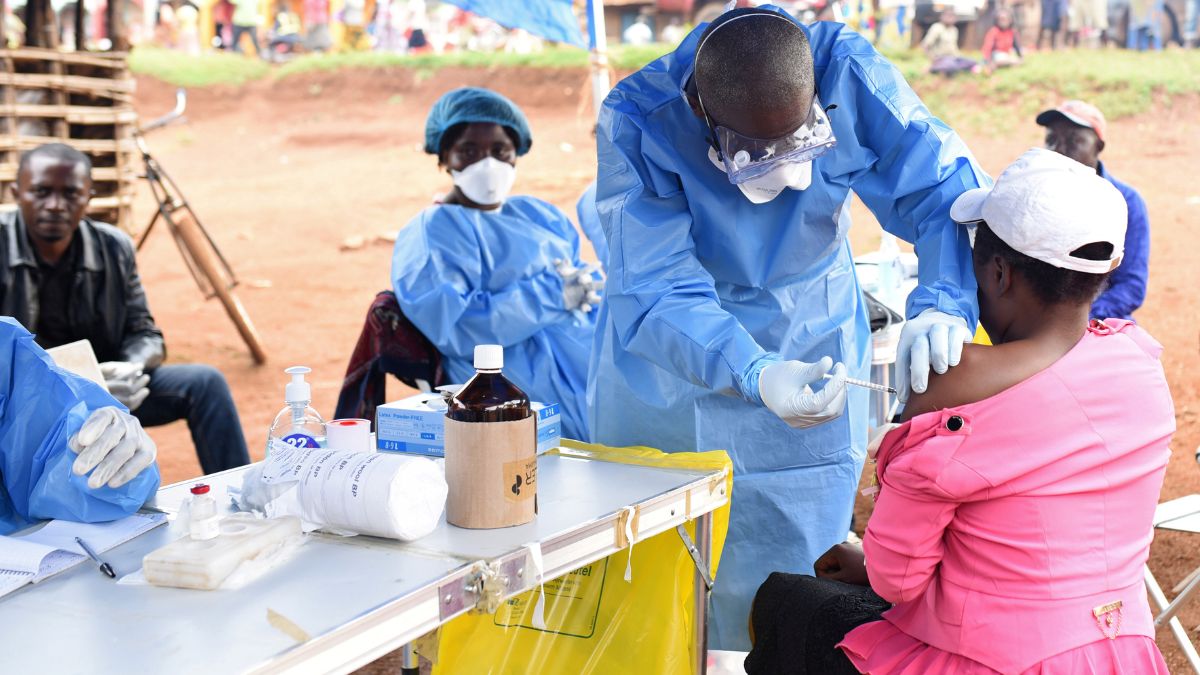
Hantavirus is primarily spread through contact with rodent droppings, urine, or saliva, and can lead to severe respiratory issues in humans. Meanwhile, Ebola, a highly contagious virus, is transmitted through direct contact with bodily fluids of infected individuals. Both diseases have demonstrated their potential to cause outbreaks that can quickly escalate into crises if not managed effectively.
## Helen Clark's Warning: A Call for Action
In her recent statements, Helen Clark emphasized that the ongoing outbreaks are not merely isolated incidents but indicative of a broader systemic issue. She pointed out that health systems failing to address endemic risks will be ill-equipped to detect and respond to novel pathogens. This lack of preparedness could lead to widespread health crises, reminiscent of the devastation wrought by COVID-19.
The Importance of Addressing Endemic Risks
Endemic diseases, which are consistently present within certain populations, can serve as precursors to more widespread outbreaks. Clark advocates for a comprehensive approach to public health that includes surveillance, research, and community engagement to mitigate these risks. By addressing the root causes of endemic diseases, countries can bolster their defenses against future pandemics.
## Global Preparedness: A Multi-Faceted Approach
To improve global health preparedness, Clark calls for a multi-faceted strategy that encompasses research, funding, and international collaboration. Here are some key components of a robust pandemic preparedness plan:
1. Strengthening Surveillance Systems
Effective surveillance is crucial for early detection of outbreaks. Countries must invest in advanced technologies and training to enhance their ability to monitor and respond to emerging health threats. This includes sharing data and resources globally to ensure that no region is left vulnerable.
2. Investing in Health Infrastructure
Building resilient health systems is essential for managing both endemic and emerging diseases. Investments should focus on expanding healthcare access, improving laboratory capabilities, and ensuring that healthcare workers are adequately trained and supported.
3. Fostering Research and Development
Innovative research is vital for understanding pathogens and developing effective treatments and vaccines. Governments and private sectors should collaborate to fund research initiatives that prioritize preparedness for both known and novel viruses.
4. Enhancing Community Engagement
Public health initiatives must involve local communities to be effective. Engaging with residents can help build trust, improve education about disease prevention, and encourage proactive health practices that can mitigate the spread of infectious diseases.
5. Strengthening International Collaboration
Global health security is a shared responsibility. Countries must work together, sharing knowledge and resources to address health threats collectively. Organizations like the World Health Organization (WHO) play a critical role in facilitating these partnerships.
## The Role of Governments and Policy Makers
Policy makers must take the lessons learned from the COVID-19 pandemic seriously. Clark's warning should serve as a wake-up call for governments to prioritize health security in their agendas. This includes allocating sufficient funding for public health initiatives and ensuring that health policies are evidence-based and flexible enough to adapt to changing circumstances.
The Economic Implications of Pandemic Preparedness
Investing in health systems is not only a moral imperative but also an economic one. The economic fallout from pandemics can be devastating, with costs affecting healthcare systems, economies, and livelihoods. By prioritizing preparedness, countries can save lives and protect their economies from the disruptive impacts of future outbreaks.
## Conclusion: A Collective Responsibility
Helen Clark's insights into the ongoing hantavirus and Ebola outbreaks serve as a critical reminder that the world remains at risk from infectious diseases. The need for global preparedness has never been more urgent. Countries must come together to address the systemic weaknesses in their health systems and prioritize strategies that protect their populations.
As we move forward, it is essential to learn from past experiences and invest in comprehensive health strategies that encompass surveillance, research, community engagement, and international collaboration. The responsibility to safeguard the health of over 8 billion people rests on our collective shoulders. Only through unified efforts can we hope to avert the next pandemic and ensure a healthier future for all.
By addressing these challenges head-on and fostering a culture of preparedness, we can build resilient health systems capable of withstanding future threats. The time for action is now, and the world must be ready.