
India rejects Court of Arbitration’s pondage award on Indus Waters Treaty
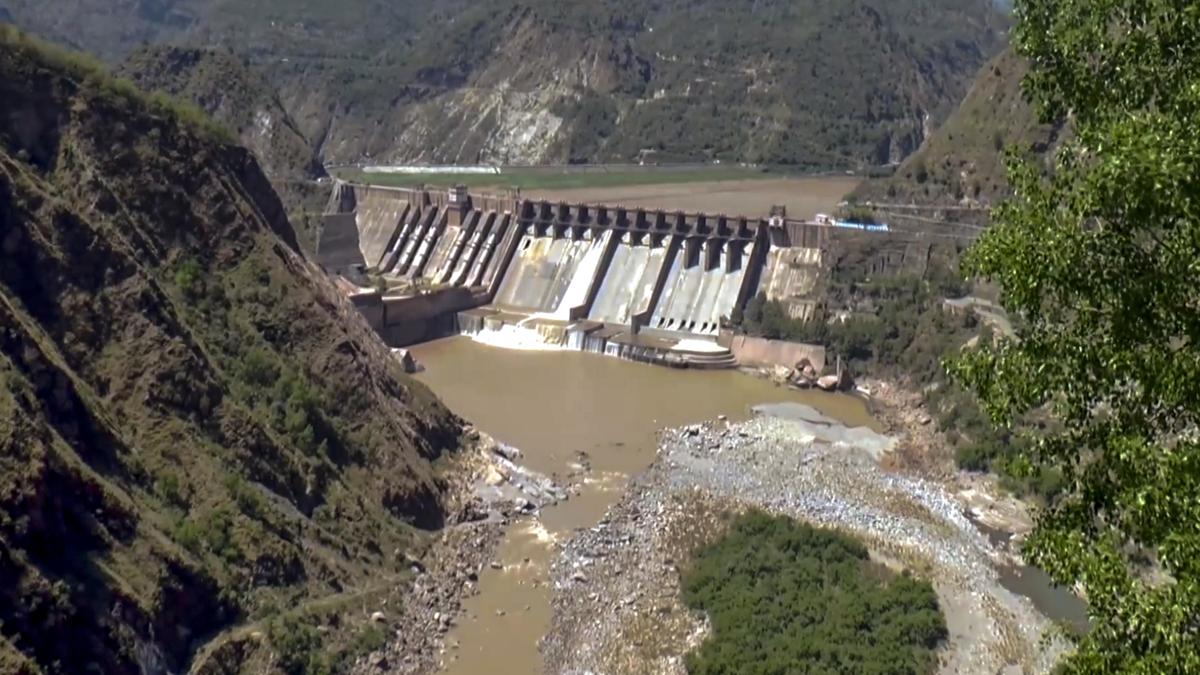
India Rejects Court of Arbitration’s Pondage Award on Indus Waters Treaty: A Closer Look
In a significant development in international water diplomacy, India has firmly rejected the recent pondage award issued by the Court of Arbitration concerning the Indus Waters Treaty (IWT). This decision underscores India's commitment to its stance on water management and distribution in the context of the transboundary Indus River system, which has been a subject of contention between India and Pakistan since the treaty was established in 1960. The rejection of this award not only reflects India's perspective on water sovereignty but also highlights the complexities of managing shared water resources in South Asia.
Understanding the Indus Waters Treaty
The Indus Waters Treaty, brokered by the World Bank, is a pivotal agreement that governs the use of the waters of the Indus River and its tributaries. This treaty allocates the rights to the waters of the eastern rivers—Beas, Ravi, and Sutlej—to India, while Pakistan has rights to the western rivers—Indus, Jhelum, and Chenab. For over six decades, the treaty has been a cornerstone of water relations between the two countries, yet it has not been without its challenges.
The treaty's framework allows for dispute resolution mechanisms, including the involvement of a neutral expert or, in this case, the Court of Arbitration. However, the recent pondage award has sparked controversy and disagreement, prompting India's decisive stance against it.
The Pondage Award Explained
The Court of Arbitration's pondage award relates to the management of water storage and flow under the IWT. Pondage refers to the practice of storing water in reservoirs for later use, which is critical for irrigation and power generation. The award aimed to address concerns raised by Pakistan regarding India's water management practices, particularly in the context of construction projects that could potentially affect the flow of water to Pakistan.
Despite the intent to resolve these issues amicably, India has labeled the award as flawed and not in line with the treaty's original provisions. Indian officials argue that the decision undermines India's rights as a legitimate user of the river waters, thereby jeopardizing its developmental and economic needs.
India's Position on Water Sovereignty
India's rejection of the pondage award is rooted in a broader assertion of sovereignty over its water resources. The country's leadership maintains that the management of its rivers is a matter of national interest and should not be dictated by external bodies or awards that it perceives as unjust or misaligned with treaty principles.
This position is particularly relevant given the significant challenges India faces in water management, including a growing population, agricultural demands, and climate change impacts. Ensuring water security for its citizens is paramount, and any international award that threatens this security is likely to be met with resistance.
Historical Context: Tensions and Cooperation
The relationship between India and Pakistan regarding water resources has been fraught with tension, often spilling over into broader geopolitical disputes. Historical animosities, particularly from the aftermath of the partition in 1947, have made water a contentious issue. However, the IWT has also been a beacon of cooperation, demonstrating that even amidst conflict, there is potential for dialogue and agreement.
As both nations grapple with their respective water crises, the importance of the IWT cannot be overstated. Despite the current discord over the pondage award, there remains a need for both countries to engage in constructive dialogue to ensure sustainable water management practices that benefit both populations.
The Implications of India’s Rejection
India's rejection of the Court of Arbitration's award carries significant implications for the future of the IWT and regional water management. Firstly, it raises questions about the effectiveness of international arbitration in resolving disputes related to transboundary water resources. If one party does not recognize an award, the efficacy of such legal frameworks comes into question.
Secondly, this decision could lead to heightened tensions between India and Pakistan. Water scarcity is already a pressing issue in both countries, and failure to address concerns collaboratively could exacerbate existing conflicts. The risk of unilateral actions by either party could further complicate an already delicate situation.
Moving Forward: The Need for Dialogue
As India stands firm on its rejection of the pondage award, the path forward remains uncertain. Dialogue between India and Pakistan is essential to navigate these challenging waters. Both countries must recognize the importance of the Indus River system and the need for cooperative management strategies that respect the rights and needs of both nations.
Engaging in discussions about water-sharing agreements, joint projects for water conservation, and investment in technology for better water management could pave the way for improved relations. Additionally, involving neutral third parties in these discussions may help rebuild trust and create a collaborative framework for addressing water-related disputes.
Conclusion: Navigating the Future of Water Diplomacy
India's rejection of the Court of Arbitration's pondage award on the Indus Waters Treaty is a pivotal moment in the ongoing discourse surrounding water management and sovereignty in South Asia. As the stakes rise, it is imperative for both India and Pakistan to prioritize dialogue over discord. The future of the Indus Waters Treaty depends on the ability of both nations to find common ground and work towards sustainable solutions that honor their respective rights while promoting regional stability.
In an era where water scarcity is becoming an increasingly pressing global issue, the management of shared resources must be approached with a spirit of cooperation and mutual respect. Only through constructive engagement can India and Pakistan hope to navigate the complexities of their relationship and ensure a secure water future for their citizens. As this situation unfolds, the eyes of the international community remain focused on South Asia, watching closely how these two nations handle one of their most vital and contentious resources.