
Netherlands Returns 1,000-Year-Old Chola-Era Copper Plates To India
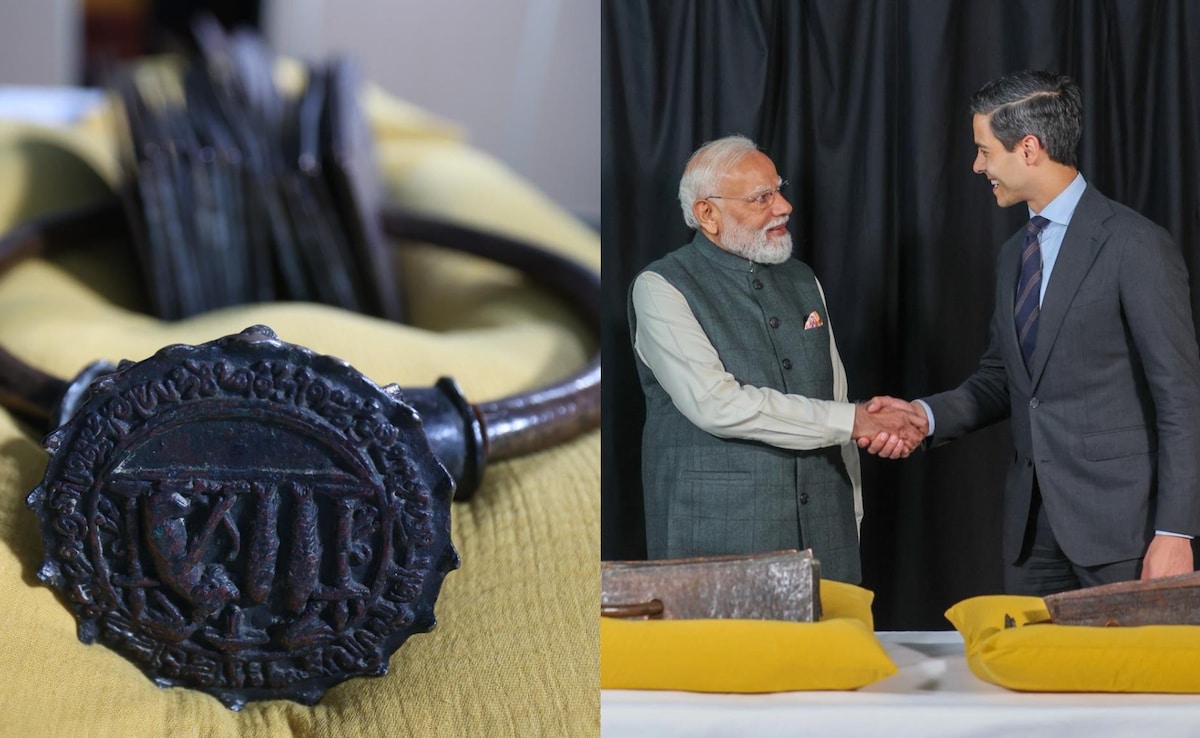
# Netherlands Returns 1,000-Year-Old Chola-Era Copper Plates to India
In a significant act of cultural diplomacy, the Netherlands has officially returned a collection of ancient artefacts known as the 'Leiden Plates' to India. These remarkable copper plates, which date back to the Chola dynasty, hold immense historical value and are considered one of the most treasured remnants of India's rich heritage. This long-awaited return, sought by India since 2012, marks a pivotal moment in the ongoing efforts to repatriate cultural artefacts to their countries of origin.
## The Significance of the Chola-Era Copper Plates
The Chola dynasty, which flourished between the 9th and 13th centuries, is renowned for its contributions to art, architecture, and governance in Southern India. The copper plates serve as a vital historical document, offering insights into the socio-political and economic conditions of the time. Scholars and historians have long studied these plates to understand the Chola empire's extensive trade networks, religious practices, and administrative systems.
The Leiden Plates, discovered in Leiden, Netherlands, are a set of inscriptions written in ancient Tamil, detailing land grants and other vital records. They are not only significant for their artistic value but also for the information they contain about the Chola administration and their influence across Southeast Asia. The plates are a testament to the Chola dynasty's far-reaching power and its cultural impact on the region.
## The Journey of the Plates: From India to the Netherlands
The Leiden Plates have a complex history, having been taken from India during the colonial period. They came into the possession of Dutch collectors, and over the years, they were studied and showcased in various museums across Europe. However, the historical significance of these artefacts has led to a growing movement advocating for their return to India.
India's pursuit of the return of the Leiden Plates began in earnest in 2012, when officials and cultural advocates highlighted the need to reclaim important artefacts that were removed during colonial times. This movement is part of a larger global trend in which countries are seeking the return of cultural treasures that were taken under questionable circumstances.
## Diplomatic Efforts and the Role of Cultural Heritage
The return of the Leiden Plates was made possible through extensive diplomatic efforts between India and the Netherlands. Cultural heritage plays a significant role in fostering international relations, and the successful negotiation for the return of these artefacts exemplifies the importance of mutual respect for cultural history.
In recent years, both India and the Netherlands have engaged in discussions about cultural heritage, emphasizing the need for collaboration in preserving and sharing historical artefacts. The return of the Leiden Plates is seen as a step toward strengthening ties between the two nations and acknowledging the importance of respecting each other's cultural backgrounds.
## The Ceremony of Return
The official handover ceremony took place in a dignified setting, attended by officials from both countries, cultural experts, and historians. The event underscored the significance of the return and the mutual appreciation for cultural heritage. Indian officials expressed gratitude for the Netherlands' decision to return the plates, which represent not only a piece of history but also a symbol of India's enduring legacy.
During the ceremony, Indian Minister of Culture, G. Kishan Reddy, emphasized the importance of such returns in rectifying historical injustices and fostering a greater understanding of India's cultural identity. The minister highlighted how these artefacts connect the past with the present, inspiring future generations to appreciate and learn from their rich heritage.
## The Impact of Repatriation on Cultural Heritage
The return of the Leiden Plates has broader implications beyond just these specific artefacts. It reflects a growing recognition of the importance of repatriating cultural heritage items that were taken from their countries of origin. Many nations, including India, have seen a resurgence of interest in reclaiming artefacts that hold historical, cultural, and emotional significance.
Repatriation is not just about returning objects; it is also about restoring dignity to cultures that have been historically marginalized. The process allows countries to reconnect with their past, celebrate their traditions, and educate future generations about their heritage.
## The Global Movement for Cultural Repatriation
The return of the Leiden Plates is part of a larger global movement advocating for the repatriation of cultural artefacts. Numerous countries have engaged in similar efforts, seeking to reclaim items taken during colonial times or through illicit means. This movement has gained momentum in recent years, as more institutions and nations recognize the importance of ethical stewardship of cultural heritage.
Many museums, universities, and cultural organizations around the world are reevaluating their collections and the circumstances under which items were acquired. This trend reflects a growing awareness of the need for transparency and accountability in the preservation and display of cultural artefacts.
## Challenges and Opportunities in Repatriation
While the return of the Leiden Plates is a positive development, the process of repatriation is not without challenges. Navigating legal frameworks, ownership claims, and international agreements can be complex. Additionally, there is often a reluctance among some institutions to part with artefacts they have held for decades.
However, these challenges also present opportunities for dialogue and collaboration. Countries can work together to establish ethical guidelines for the acquisition and display of cultural heritage items, promoting mutual respect and understanding. Collaborative exhibitions and educational programs can also be developed to share knowledge and foster appreciation for diverse cultures.
## Conclusion
The return of the 1,000-year-old Chola-era copper plates from the Netherlands to India marks a significant milestone in the ongoing journey of cultural repatriation. It highlights the importance of recognizing and respecting the cultural heritage of nations, while also reinforcing the bonds between countries through shared history. As India continues to reclaim its cultural treasures, the return of the Leiden Plates serves as a poignant reminder of the need for international cooperation in preserving and celebrating our global heritage.
In a world increasingly focused on the value of cultural identity, the repatriation of artefacts like the Leiden Plates not only restores historical justice but also enriches our collective understanding of the past. As we move forward, it is vital to continue advocating for the return of cultural heritage items, fostering a spirit of collaboration that honors the legacies of our diverse civilizations.