
Scientists discover the perfect temperature to keep mangoes fresh much longer
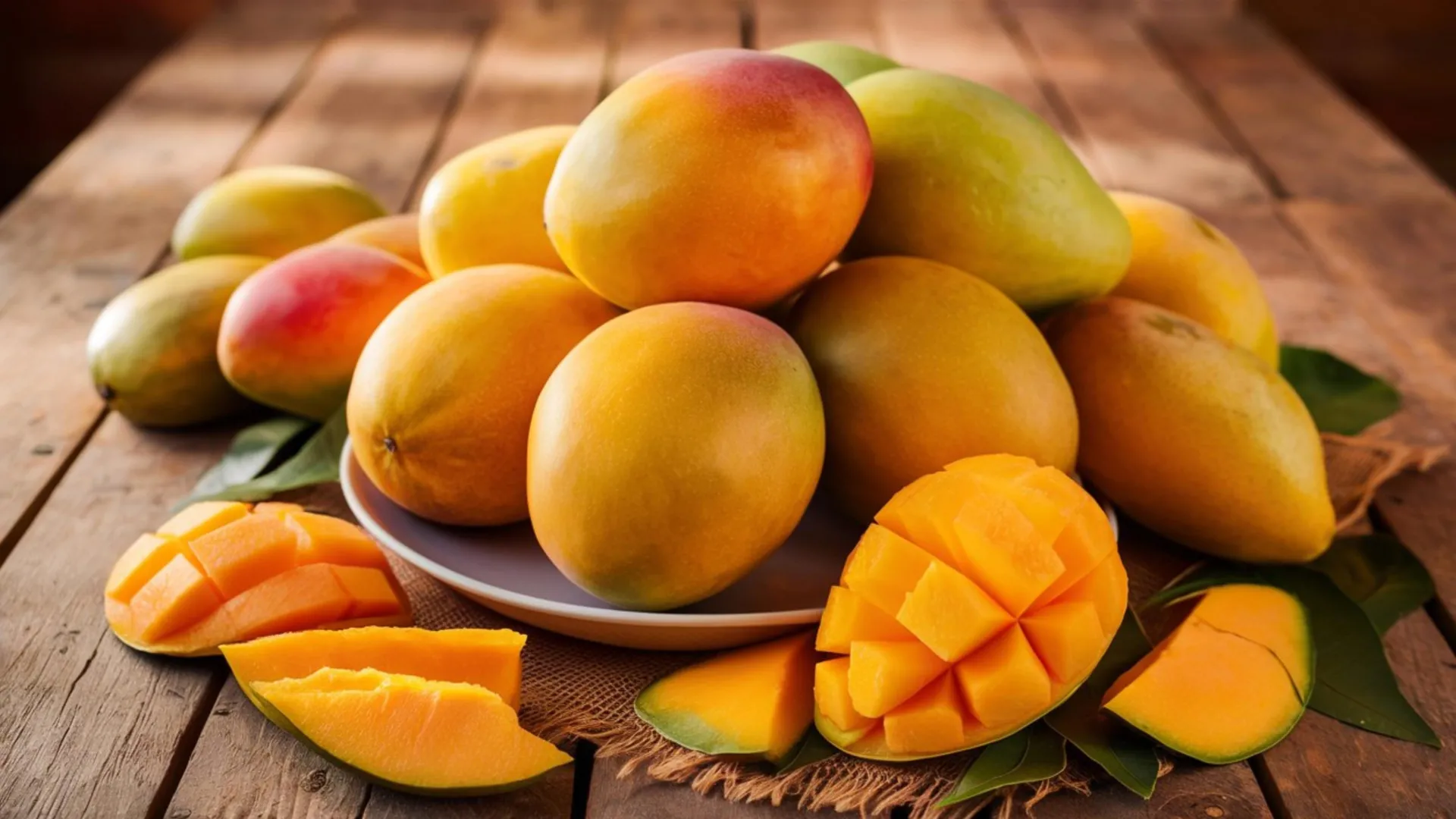
# Scientists Discover Optimal Temperature for Extending Mango Freshness
In the world of tropical fruits, mangoes hold a special place for their vibrant flavor and succulent texture. However, one of the biggest challenges for growers and consumers alike is how to keep these delicious fruits fresh for an extended period. Recent research has unveiled a groundbreaking discovery: storing mangoes at a specific temperature can significantly prolong their freshness. This article delves into the findings of the study, the implications for the mango industry, and practical tips for consumers.
## The Sweet Challenge of Mango Preservation
Mangoes, often dubbed the "king of fruits," are beloved for their unique taste and are a staple in many households around the globe. However, their susceptibility to rapid ripening and spoilage poses challenges for both producers and consumers. Typically, mangoes thrive in warm tropical climates, but the same conditions that promote their growth can lead to quicker spoilage once harvested. As a result, finding the right storage conditions has been a focus of research for scientists and agricultural experts.
## The Groundbreaking Research
A team of scientists conducted a comprehensive study to determine the ideal storage temperature for mangoes. Their research revealed that maintaining mangoes at a temperature of **54°F (approximately 12°C)** dramatically slows the ripening process. This temperature is significantly cooler than the typical tropical environment in which mangoes are cultivated, yet it is warm enough to avoid chilling injury, a condition that can occur when fruits are stored at too low of a temperature.
Key Findings
1. **Slowed Ripening Process**: At 54°F, the ripening process of mangoes is significantly delayed. This allows the fruits to remain in optimal condition for a longer period, offering consumers a better product.
2. **Enhanced Firmness and Moisture Retention**: The cooler storage conditions helped mangoes maintain their firmness and moisture levels. This not only enhances the eating experience but also reduces waste due to spoilage.
3. **Preservation of Antioxidants**: Mangoes are rich in antioxidants, which contribute to their health benefits. The research indicated that storing mangoes at 54°F helps preserve these vital nutrients, making the fruit not only tastier but also healthier over time.
4. **Internal Defense Mechanisms**: The scientists also uncovered that mangoes activate internal defense systems when stored at cooler temperatures. This response helps protect the fruit from stress and decay, further extending their shelf life.
## Implications for the Mango Industry
The findings from this study have profound implications for mango producers and distributors. With the ability to extend the shelf life of mangoes, growers can reduce post-harvest losses, which are a significant concern in the industry. This not only translates to increased profitability for farmers but also ensures that consumers have access to fresher, higher-quality mangoes.
Improved Supply Chain Efficiency
By implementing the new storage temperature recommendations, suppliers can optimize their supply chains. With longer-lasting mangoes, distributors can reduce the frequency of shipments, saving time and resources. This is particularly beneficial for international trade, where mangoes are often transported over long distances.
Sustainability Benefits
Reducing food waste is a critical concern in today's world, where environmental sustainability is paramount. The ability to keep mangoes fresh for longer could lead to a decrease in the number of fruits that go unsold or spoiled. This aligns with global efforts to minimize waste and promote sustainable agricultural practices.
## Practical Tips for Consumers
For mango lovers eager to enjoy the freshest fruit, there are several steps consumers can take to maximize the longevity of their mangoes at home:
1. Store at the Right Temperature
While most refrigerators are set to much colder temperatures, consumers should aim to store mangoes at or near 54°F if possible. If you live in a warmer climate and do not have access to specialized storage, keep mangoes in a cool, shaded area of your kitchen until they ripen, then transfer them to the fridge.
2. Monitor Ripeness
Keep an eye on the ripeness of your mangoes. They should be firm to the touch but yield slightly when gently pressed. Once they reach the desired ripeness, store them in the refrigerator to slow further ripening.
3. Avoid Overcrowding
When storing mangoes, avoid overcrowding to ensure proper air circulation. This can help prevent bruising and reduce the likelihood of spoilage.
4. Use Ethylene Gas Wisely
Mangoes produce ethylene gas, which accelerates ripening. If you want to ripen mangoes quickly, store them in a paper bag at room temperature. Once they are ripe, refrigerate them to maintain their freshness.
## Conclusion
The discovery that storing mangoes at 54°F can significantly extend their freshness is a game-changer for the fruit industry. By slowing the ripening process, preserving essential nutrients, and activating internal defense systems, this research offers a practical solution to one of the biggest challenges in fruit preservation. As consumers, understanding these findings can help us enjoy mangoes at their best while supporting sustainable practices in agriculture. Whether you enjoy them fresh, in smoothies, or as part of a delicious dish, knowing how to store mangoes properly will ensure that you savor their delightful flavor for as long as possible. The future looks bright for mango enthusiasts and producers alike, thanks to the advancements in post-harvest science.