
A next‑gen NASA AI processor may help spacecraft think for themselves in deep space
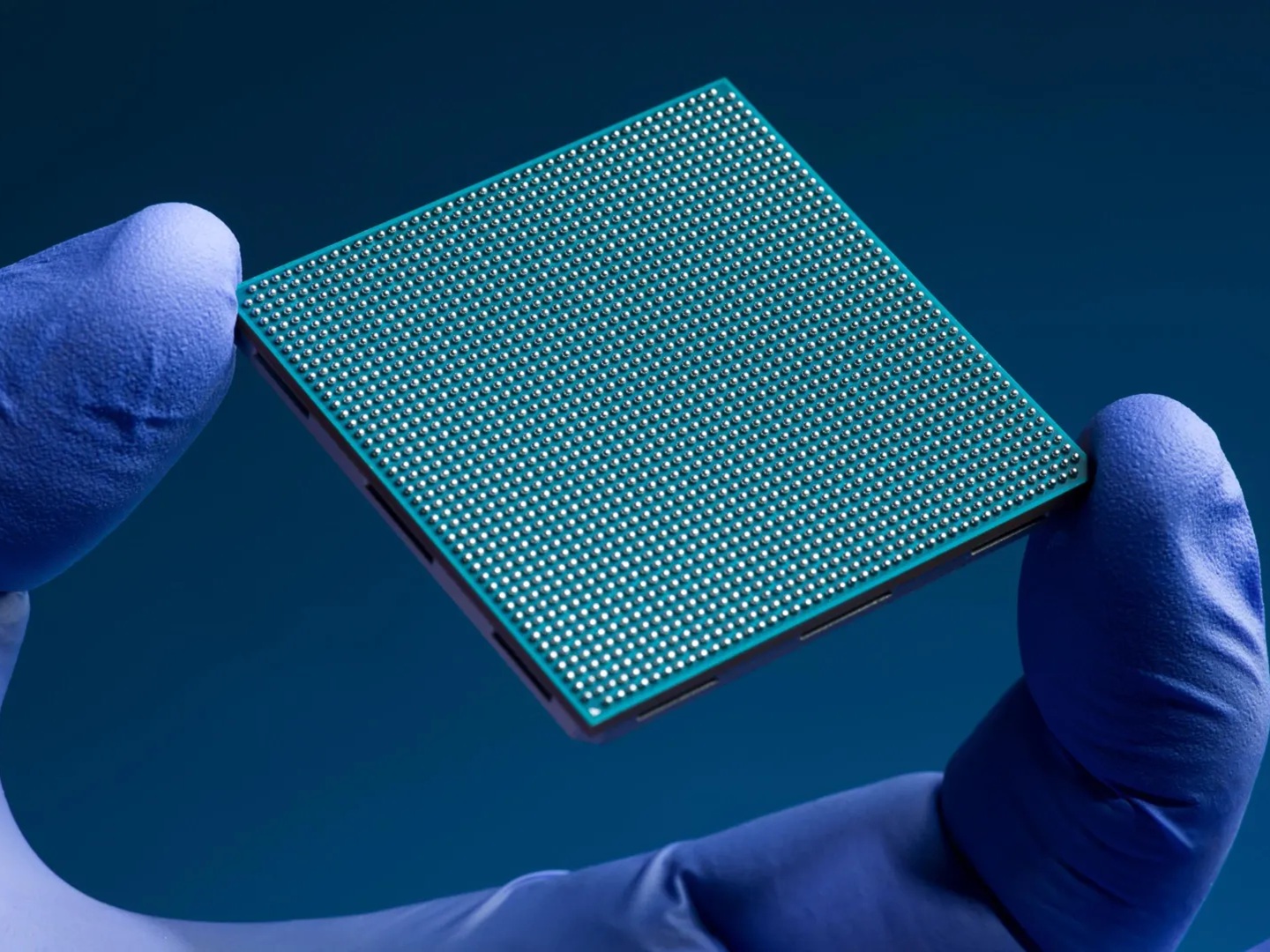
# NASA's Next-Gen AI Processor: Revolutionizing Autonomous Spacecraft Operations in Deep Space
As humanity sets its sights on exploring deeper into the cosmos, the need for autonomous spacecraft has never been more pressing. NASA is at the forefront of this technological leap, developing a next-generation AI processor that promises to reshape how spacecraft operate in the challenging environments of deep space. This groundbreaking advancement not only enhances the capabilities of space missions but also marks a significant step towards more efficient and intelligent exploration of our solar system and beyond.
## The Need for Autonomy in Deep Space Exploration
Space missions often involve long durations far from Earth, where communication delays can hinder real-time decision-making. For instance, a signal sent from Earth to Mars can take upwards of 20 minutes to arrive, making it impractical for ground control to manage spacecraft operations continuously. This lag poses a significant challenge, especially during critical mission phases such as landing or navigating through complex environments.
To address these challenges, NASA is focusing on developing AI technologies that allow spacecraft to think and act independently. This autonomy enables spacecraft to make decisions based on real-time data analysis, ensuring they can respond quickly to unforeseen circumstances without waiting for instructions from Earth.
## Introducing the Next-Gen AI Processor
The heart of NASA's initiative is a state-of-the-art AI processor that has shown promising results in early testing phases. Unlike traditional computing hardware used in various space missions, this new processor is designed specifically for the rigors of deep space environments. It takes into account the unique challenges posed by cosmic radiation, extreme temperatures, and the need for energy efficiency.
Enhanced Performance Metrics
Initial tests have demonstrated that the new AI processor significantly outperforms existing extraterrestrial computing systems. With processing speeds that are several orders of magnitude faster, it can analyze vast amounts of data in real time, facilitating quicker decision-making processes. This capability is crucial for missions involving complex maneuvers or scientific experiments where immediate responses are essential.
Moreover, the processor's architecture is optimized for machine learning and advanced algorithms, allowing spacecraft to learn from their environments and improve their performance over time. This evolution in capability means that future missions could potentially adapt their objectives based on new discoveries made during their journeys.
Energy Efficiency
In space, energy is a critical resource. Most spacecraft rely on solar power or other limited energy sources, making energy conservation vital. The new AI processor is designed to operate efficiently, consuming less power while delivering superior performance. This energy efficiency not only extends the operational lifespan of spacecraft but also allows for more ambitious missions that require extended periods of autonomy.
## Applications of Autonomous Spacecraft
The implications of this next-gen AI processor extend beyond mere operational efficiency. Autonomous spacecraft equipped with advanced AI capabilities could revolutionize various aspects of space exploration, including:
1. Planetary Exploration
Future missions to planets like Mars or the moons of Jupiter and Saturn could benefit immensely from autonomous decision-making. Spacecraft could conduct surface exploration, collect samples, and analyze data without waiting for instructions from Earth, allowing for more comprehensive scientific investigations.
2. Asteroid Mining
As interest in asteroid mining grows, autonomous spacecraft could be deployed to identify valuable resources and even harvest materials. With the ability to operate independently, these spacecraft could conduct missions that would otherwise be too dangerous or complex to manage remotely.
3. Deep Space Navigation
Navigating through the vastness of space presents unique challenges, particularly when avoiding obstacles or responding to unexpected events. An AI-enabled spacecraft could continually assess its surroundings and adjust its trajectory in real time, enhancing safety and mission success rates.
4. Spacecraft Swarms
The concept of using swarms of small, autonomous spacecraft for explorations, such as studying a comet or asteroid, is becoming increasingly viable. Each unit in the swarm could operate independently, communicating with one another to optimize their collective efforts. This strategy could provide richer data and a more comprehensive understanding of celestial phenomena.
## Challenges Ahead
While the development of the next-gen AI processor marks a significant milestone, there are challenges that NASA must navigate before these technologies can be fully realized.
1. Reliability in Harsh Environments
Space is an unforgiving place. The new AI processor must demonstrate reliability in the face of cosmic radiation, extreme temperatures, and other environmental factors. Continuous testing and refinement will be necessary to ensure that the processor can withstand these conditions over long durations.
2. Ethical Considerations
As spacecraft become more autonomous, ethical questions arise regarding decision-making in critical situations. For instance, how should an AI prioritize mission objectives versus the safety of potential life forms it might encounter? Developing frameworks that address these concerns will be crucial as we advance towards greater autonomy in space exploration.
## The Future of Space Exploration
With the development of this revolutionary AI processor, NASA is poised to lead the charge in transforming space exploration. The potential for spacecraft to operate autonomously will not only enhance our understanding of the universe but also pave the way for new frontiers in science and technology.
As missions become more ambitious, the integration of autonomous capabilities will be essential for success. The next-generation AI processor is just one piece of a larger puzzle, but it represents a significant leap forward in our quest to explore the cosmos.
## Conclusion
NASA's next-gen AI processor is set to redefine the landscape of deep space exploration. By enabling spacecraft to think and operate independently, we can tackle the challenges of long-duration missions, enhance scientific discovery, and ultimately unlock the mysteries of our universe. As testing continues and the technology matures, the future of space exploration looks brighter than ever, promising to take humanity further into the cosmos with every launch.
As we stand on the brink of a new era in space exploration, the implications of this technology are profound. From planetary exploration to asteroid mining, the potential applications of autonomous spacecraft are limitless, reminding us that the final frontier is ever-expanding, and our journey has only just begun.