
Wilms Tumor (Nephroblastoma): The Kidney Cancer Found in Children
# Understanding Wilms Tumor (Nephroblastoma): A Comprehensive Guide to Kidneys Cancer in Children
Wilms tumor, also known as nephroblastoma, is a rare but significant type of kidney cancer that primarily affects children. As a parent or caregiver, understanding this condition is crucial not just for awareness but also for early detection and effective treatment. This article will explore the intricacies of Wilms tumor, including its genetic underpinnings, associated syndromes, early warning signs, diagnostic methods, and modern treatment options that promise high cure rates while preserving kidney function.
## What is Wilms Tumor?
Wilms tumor is a pediatric kidney cancer that typically occurs in children aged 3 to 4 years but can also affect older children. Named after the German surgeon Max Wilms, who first described the condition in the 19th century, this tumor develops from immature kidney cells and can lead to severe health complications if not diagnosed and treated promptly. It accounts for about 5% of all childhood cancers and primarily affects one kidney, although it can sometimes involve both.
Causes and Genetic Basis
The exact cause of Wilms tumor remains largely unknown; however, researchers have identified several genetic factors and syndromic associations that may increase a child's risk of developing this cancer. Children with specific congenital syndromes, such as WAGR syndrome (Wilms tumor, Aniridia, Genitourinary abnormalities, and Range of developmental delays), Beckwith-Wiedemann syndrome, and Denys-Drash syndrome, are at a heightened risk.
Genetic mutations and abnormalities, particularly in chromosome 11, have also been implicated in the development of Wilms tumor. These genetic insights are paving the way for better understanding, early detection, and tailored treatment strategies for affected children.
## Recognizing Early Warning Signs
Early detection of Wilms tumor can significantly improve treatment outcomes. Parents and caregivers should be vigilant for early warning signs, which may include:
- **Abdominal Mass**: A noticeable lump or swelling in the abdomen is often the first sign of Wilms tumor. It may be painless and can be discovered during routine check-ups or while bathing the child.
- **Hematuria**: Blood in the urine, also known as hematuria, can occur in some cases and may be a concerning symptom.
- **Abdominal Pain**: Persistent pain in the abdomen or lower back, which may be accompanied by discomfort.
- **Fever**: Unexplained fever that lasts for an extended period may be indicative of underlying health issues.
- **Loss of Appetite or Weight**: A sudden change in appetite or unexplained weight loss in a child may warrant further investigation.
If you notice any of these symptoms, it is crucial to consult a pediatrician for further evaluation.
## Diagnostic Imaging and Staging
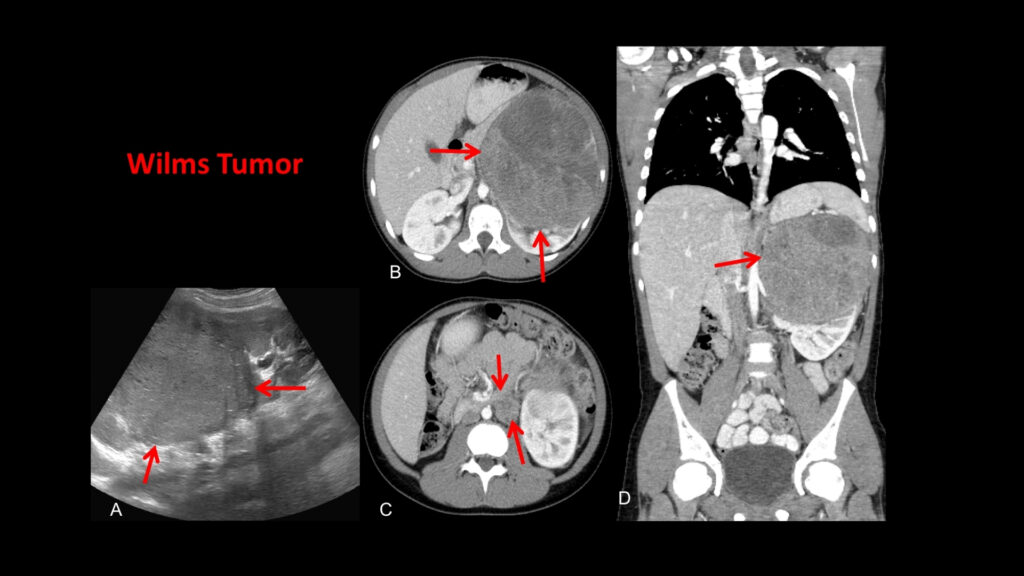
Once a Wilms tumor is suspected based on symptoms, a comprehensive diagnostic work-up is essential. This typically involves a combination of imaging studies and laboratory tests to confirm the diagnosis and determine the extent of the disease.
Imaging Techniques
- **Ultrasound**: This is often the first imaging modality used to evaluate abdominal masses in children. An ultrasound can help visualize the kidney and any associated tumors.
- **CT Scan**: A computed tomography (CT) scan provides detailed images of the kidneys and surrounding structures, helping to assess the size of the tumor and whether it has spread to nearby lymph nodes or other organs.
- **MRI**: Magnetic resonance imaging (MRI) may be used in certain cases where detailed images of soft tissues are necessary.
Staging
The staging of Wilms tumor is crucial for determining the appropriate treatment plan. The tumor is typically classified into four stages based on its size, degree of infiltration into surrounding tissues, and presence of metastasis (spread to other parts of the body). The stages are as follows:
- **Stage I**: The tumor is confined to the kidney and can be completely removed by surgery.
- **Stage II**: The tumor has extended beyond the kidney but is still operable and has not spread to lymph nodes.
- **Stage III**: The tumor has spread to nearby lymph nodes or structures but can still be surgically removed.
- **Stage IV**: The cancer has metastasized to distant organs, such as the lungs or liver.
## Modern Treatment Options
Advancements in medical science have led to significant improvements in the treatment of Wilms tumor, resulting in high cure rates. Treatment plans are often tailored to the individual child based on the tumor's stage, size, and other clinical factors.
Surgery
Surgical removal of the tumor is usually the first line of treatment. A nephrectomy, which involves removing the affected kidney along with the tumor, is typically performed. In some cases, a partial nephrectomy, where only the tumor and a margin of healthy tissue are removed, may be possible. Surgeons aim to preserve as much healthy kidney tissue as possible to maintain renal function.
Chemotherapy
Chemotherapy is often administered before and/or after surgery to help shrink the tumor and destroy any remaining cancer cells. The specific chemotherapy regimen depends on the tumor's stage and may involve a combination of different drugs, which can be tailored to the child's needs.
Radiation Therapy
Radiation therapy may be recommended for children with higher-stage tumors or those with certain risk factors. This treatment uses high-energy rays to target cancer cells while minimizing damage to surrounding healthy tissues.
Follow-Up Care
After treatment, regular follow-up visits and imaging studies are crucial to monitor for any signs of recurrence. Pediatric oncologists typically recommend ongoing surveillance for several years following treatment, as Wilms tumor can recur even after successful initial treatment.
## Conclusion
Wilms tumor, while a rare form of childhood cancer, is highly treatable, especially when detected early. Awareness of the condition’s symptoms, understanding its genetic basis, and recognizing the importance of timely medical intervention can make a significant difference in outcomes for affected children. The advancements in diagnostic imaging and treatment options not only improve the survival rates but also emphasize the importance of renal preservation. If you suspect any warning signs in your child, do not hesitate to seek medical advice. Early intervention is key to combating Wilms tumor and ensuring a brighter future for young patients.