
Can Hantavirus Remain Hidden In A Person's Body For Years? New Study Raises Concerns
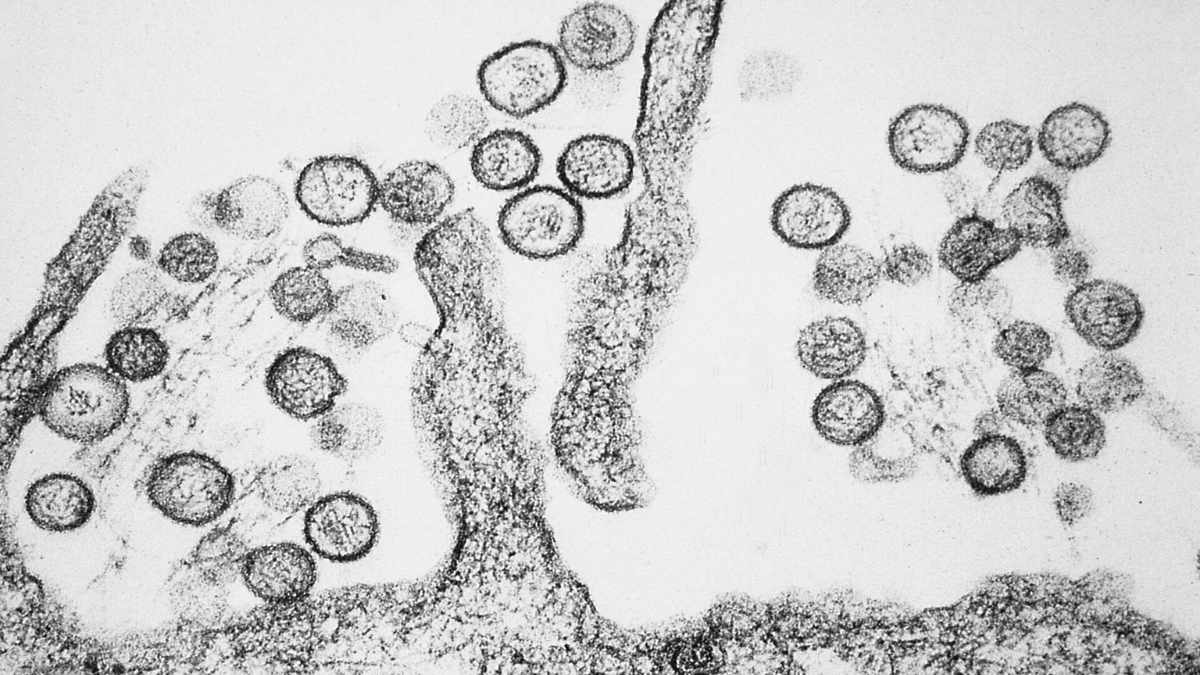
Title: Can Hantavirus Lurk in the Human Body for Years? New Study Raises Important Health Concerns
Introduction
In recent years, public health officials have become increasingly vigilant about various viral infections, particularly those transmitted through wildlife. Among these pathogens is the hantavirus, a virus predominantly carried by rodents that can lead to severe respiratory illness in humans. While the immediate dangers of hantavirus infection are well-documented, a groundbreaking study has surfaced, suggesting that the virus may not always be as straightforward as previously believed. Researchers are now concerned about the possibility that hantavirus can remain dormant in the human body for extended periods, raising questions about long-term health implications for survivors. This article delves into the findings of this study and the implications for public health practices and survivor care.
Understanding Hantavirus: A Brief Overview
Hantavirus is primarily spread to humans through contact with rodent droppings, urine, or saliva. Infected individuals can develop hantavirus pulmonary syndrome (HPS), a severe respiratory disease with a high mortality rate. Symptoms may initially resemble those of the flu, including fever, muscle aches, and fatigue, but can rapidly progress to more severe respiratory distress.
Given the serious nature of HPS, understanding the virus's lifecycle and its interaction with the human body is crucial. Traditionally, it has been thought that once a person recovers from hantavirus infection, they are no longer at risk for complications. However, the new study challenges this notion.
The New Study: Key Findings
The recent study, conducted by a team of virologists and epidemiologists, has brought to light the possibility that hantavirus may not be fully eradicated from the human body after initial recovery. The researchers analyzed data from a group of hantavirus survivors and found evidence suggesting that traces of the virus could remain undetected in certain bodily tissues for years.
This longitudinal study tracked several individuals who had previously contracted hantavirus and recovered. Researchers employed advanced techniques, including polymerase chain reaction (PCR) assays and tissue biopsies, to detect viral RNA in various samples. The results were alarming: in a subset of participants, viral remnants were identified in their kidney tissues long after they had recovered from acute illness.
Implications of Dormant Hantavirus
The implications of these findings are profound. If hantavirus can remain dormant in the body, it raises critical questions about the long-term health of survivors. Here are some significant concerns highlighted by the researchers:
1. **Potential for Reactivation**: The possibility that dormant hantavirus could reactivate poses a risk for individuals who may develop symptoms again after years of being asymptomatic. This reactivation could result in a resurgence of severe symptoms, complicating treatment and management.
2. **Long-Term Health Monitoring**: The study emphasizes the need for long-term health monitoring of hantavirus survivors. Regular check-ups and screenings may be necessary to catch any potential reactivation of the virus early, ensuring timely intervention and care.
3. **Public Health Strategies**: These findings could influence public health strategies surrounding hantavirus. Increased awareness and education about the virus, its long-term effects, and the importance of monitoring survivors could lead to improved health outcomes.
The Need for Further Research
While the study presents compelling evidence of hantavirus persistence in the human body, it is essential to approach these findings with caution. The research community underscores the need for further studies to confirm these results and understand the mechanisms behind the virus’s potential dormancy.
Future research should focus on the following areas:
- **Understanding Mechanisms of Dormancy**: Investigating how hantavirus can evade the immune response and persist in human tissues will be crucial for the development of targeted therapies and preventive measures.
- **Expanded Clinical Trials**: Conducting larger clinical trials with diverse populations can help to determine the prevalence of dormant hantavirus and its potential health impacts.
- **Longitudinal Studies**: Continuing to follow the initial group of survivors over the years can provide valuable insights into the long-term effects of hantavirus and inform healthcare practices.
Conclusion: A Call for Action
The revelation that hantavirus may linger in the human body for years after initial recovery is a wake-up call for public health officials, healthcare providers, and survivors alike. As our understanding of this virus evolves, so too must our approaches to its management and prevention.
Survivors of hantavirus infections should be encouraged to engage in regular health check-ups, remain vigilant about their symptoms, and stay informed about the latest scientific developments regarding the virus. Additionally, public health initiatives must adapt to include long-term monitoring strategies for those affected by hantavirus, ensuring that they receive the best possible care.
As research continues to unfold, this study serves as a reminder of the complexities of viral infections and the importance of ongoing vigilance in the fight against zoonotic diseases. In the face of emerging health threats, our collective response will be key to safeguarding public health and ensuring the well-being of individuals at risk.