
Satellite launches pollute atmosphere, says London study
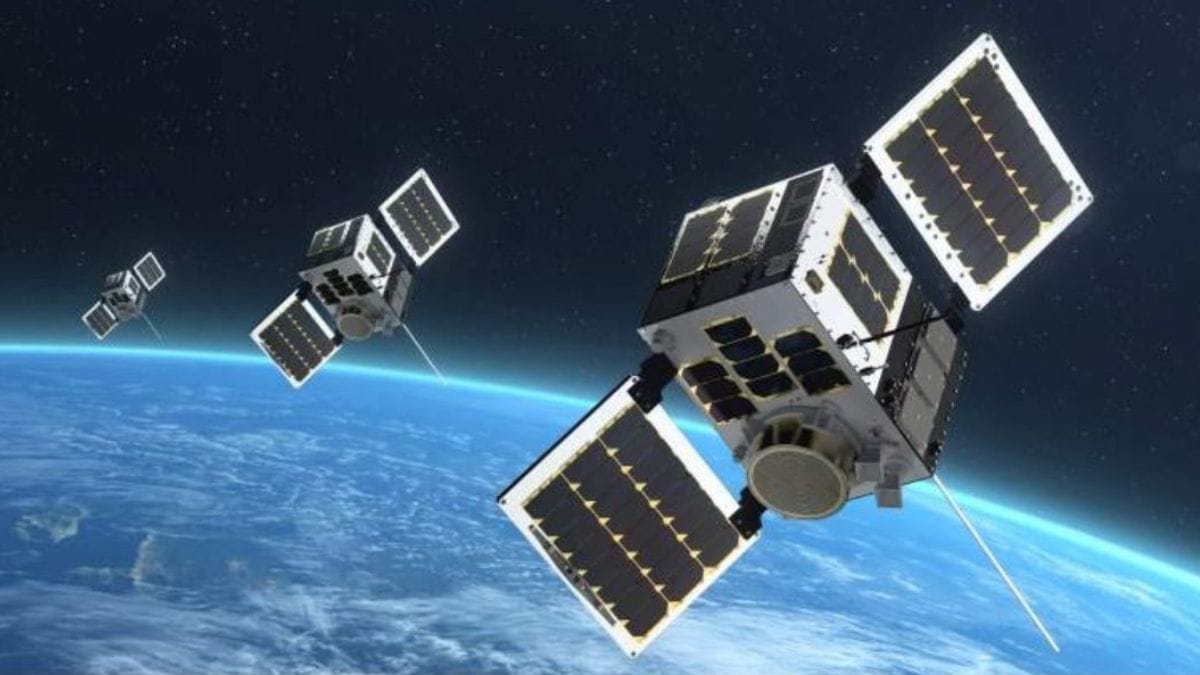
# Satellite Launches Contribute to Atmospheric Pollution, According to New London Study
In recent years, the increasing frequency of satellite launches has raised a variety of concerns, from space debris to the potential for overcrowding in Earth's orbit. However, a new study from researchers in London has unveiled an alarming environmental impact that has flown under the radar: the pollution generated by rocket launches. The findings indicate that these launches release soot and other pollutants into the upper atmosphere, where they can remain for extended periods, contributing to atmospheric degradation and climate change. This article explores the implications of these findings, the science behind atmospheric pollution from rocket launches, and what can be done to mitigate these effects.
## The Study: Key Findings
Conducted by a team of scientists at a prominent London university, the study analyzed the emissions produced by various types of rocket engines during satellite launches. The researchers focused on the soot particles released into the upper atmosphere, which are significantly different from pollutants that linger closer to Earth's surface. According to the study, these particles can remain suspended in the atmosphere for much longer than their terrestrial counterparts, leading to a range of environmental issues.
Emissions and Their Longevity
One of the most troubling aspects of the study is the longevity of soot particles in the upper atmosphere. Unlike pollutants that typically settle to the ground within days or weeks, the soot from rocket launches can persist for months or even years. This prolonged presence raises concerns about its contribution to climate change, as these particles can absorb sunlight, leading to warming effects in the atmosphere.
The Role of Rocket Types
The study also differentiated between various types of rockets and their emissions profiles. For instance, solid-fuel rockets produce a different composition of pollutants compared to liquid-fuel rockets. This distinction is crucial for understanding the environmental impact of specific launch vehicles and could inform future policies aimed at reducing atmospheric pollution.
## The Broader Implications of Atmospheric Pollution
Climate Change Acceleration
The inclusion of rocket launch emissions in the broader discussion of climate change is essential. With the world grappling with an urgent need to reduce greenhouse gas emissions, the addition of rocket soot to the equation complicates efforts to mitigate climate change. As satellite launches become more frequent, especially with the rise of commercial space ventures, understanding and addressing their environmental impact is critical.
Stratospheric Effects
The study highlights the potential stratospheric effects of rocket emissions. The upper atmosphere, or stratosphere, plays a crucial role in regulating the Earth's climate. Pollutants released into this layer can disrupt the natural balance, affecting weather patterns and potentially leading to more extreme weather events. The long-lasting nature of these pollutants amplifies their impact, making it essential for policymakers to consider rocket emissions in climate action plans.
The Health of Our Atmosphere
Atmospheric health is vital for sustaining life on Earth. The study raises important questions about how rocket launches affect air quality not only in the immediate vicinity of launch sites but also in the broader atmosphere. Soot and other pollutants can contribute to respiratory problems and other health issues, particularly for communities located near launch sites. As satellite launches become more commonplace, understanding these health implications is paramount.
## Mitigating the Environmental Impact of Rocket Launches
Policy and Regulation
In light of these findings, there is a pressing need for policymakers to establish regulations that address the environmental impact of rocket launches. This could involve setting limits on emissions or promoting the development of cleaner rocket technologies. Governments and international organizations must come together to create a framework that balances the need for satellite launches with the imperative of protecting our atmosphere.
Advancements in Rocket Technology
The space industry is already exploring various avenues to reduce the environmental footprint of rocket launches. Companies are investing in research to develop greener propulsion systems, such as those that use hydrogen or other less polluting fuels. As technology advances, the hope is that future rocket launches will produce significantly lower emissions, minimizing their impact on the atmosphere.
International Collaboration
Given that space is a global commons, international collaboration is crucial in addressing the environmental challenges posed by satellite launches. Researchers, governments, and industry leaders must work together to share data, establish best practices, and develop comprehensive strategies for reducing atmospheric pollution from rocket emissions. The scientific community plays a vital role in this collaboration, providing the research and evidence needed to drive policy changes.
## Conclusion: A Call to Action
The findings of the London study serve as a wake-up call for the space industry and policymakers alike. As satellite launches continue to rise, it is imperative that we take a proactive approach to mitigating their environmental impact. By prioritizing research, investing in cleaner technologies, and establishing effective regulations, we can work toward a sustainable future for space exploration that respects both our atmosphere and the health of our planet. The time to act is now—before the cumulative effects of rocket emissions make it more challenging to combat climate change and protect Earth's delicate environment.
As we venture into an era of increased satellite deployment, let us do so with a commitment to preserving our atmosphere for future generations. The exploration of space should not come at the expense of our planet’s health; rather, it should inspire us to innovate and find solutions that harmonize our aspirations for the stars with our responsibilities to Earth.