
Why do ships and planes disappear at the Bermuda Triangle? Do scientists have an answer now
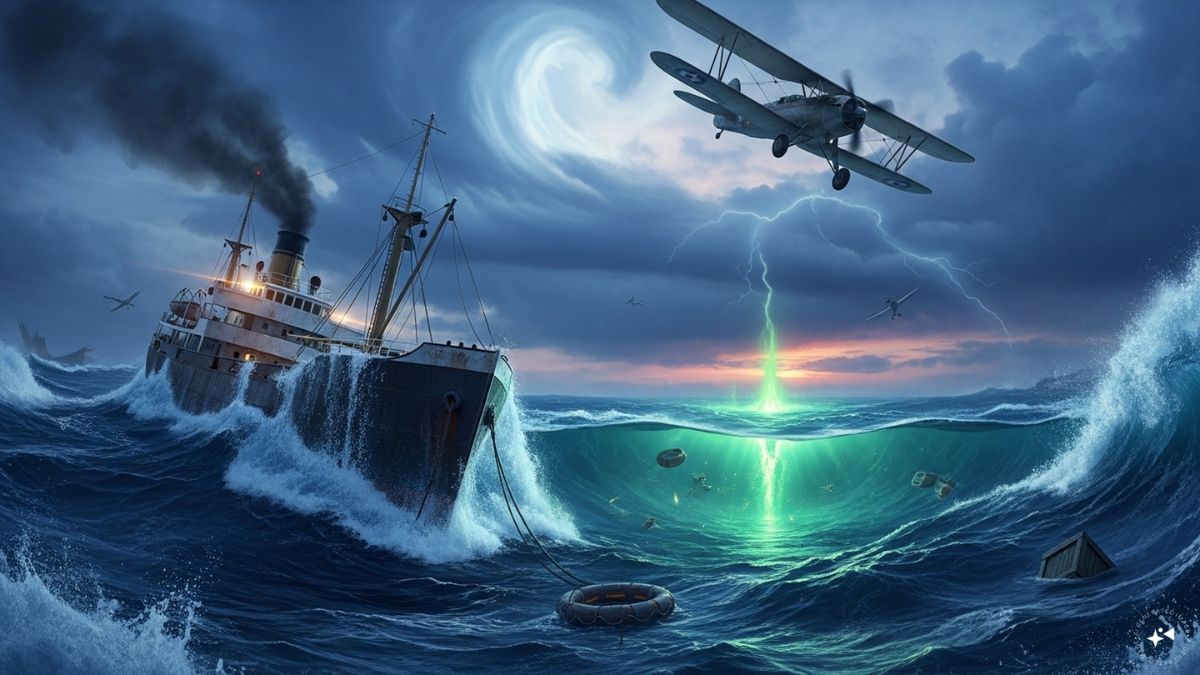)
# Unraveling the Mystery of the Bermuda Triangle: Why Do Ships and Planes Disappear?
The Bermuda Triangle, often referred to as the "Devil's Triangle," has captivated the imagination of explorers, scientists, and thrill-seekers alike. This enigmatic region, located between Florida, Puerto Rico, and Bermuda, has become synonymous with mystery and intrigue due to countless reports of ships and planes vanishing without a trace. For decades, these perplexing disappearances have sparked a flurry of theories ranging from the plausible to the downright fantastical. However, recent advancements in geological research are providing new insights into this age-old enigma. Are scientists finally uncovering the secrets of the Bermuda Triangle?
## The Geographic and Historical Context of the Bermuda Triangle
The Bermuda Triangle is not just a random patch of ocean; it is a well-defined area that has been the stage for numerous maritime and aviation incidents. Stretching over approximately 500,000 square miles, this triangular expanse includes some of the most heavily traveled shipping lanes in the world, making it a hub of activity. The region's history is dotted with famous disappearances, including the USS Cyclops in 1918, Flight 19 in 1945, and more recently, the loss of the cargo ship El Faro in 2015.
While many theories have circulated, from human error to supernatural forces, the question remains: What really happens within this mysterious triangle?
## The Science Behind the Bermuda Triangle Disappearances
Recent scientific investigations have begun to shed light on the factors contributing to the phenomena experienced in the Bermuda Triangle. A team of researchers has conducted extensive studies of the geological features beneath this area, revealing a unique underwater landscape that could explain some of the strange occurrences.
Underwater Geological Structures
One of the most significant findings is the discovery of underwater methane hydrate deposits. These deposits, composed of frozen methane gas, are found in various locations around the world but are particularly abundant in the Bermuda Triangle. When disturbed, these hydrates can release large quantities of gas into the water, causing a phenomenon known as "methane bubble formation."
When a ship encounters a sudden release of methane gas, the buoyancy of the water can dramatically decrease. This rapid loss of buoyancy can cause even the largest vessels to sink almost instantly. Such a scenario could account for many of the ships that have disappeared in the region, as they would be caught off guard by the sudden change in water density.
The Role of Weather Patterns
In addition to geological factors, the Bermuda Triangle is also known for its unpredictable weather patterns. The region is prone to sudden storms, waterspouts, and rogue waves that can create hazardous conditions for ships and aircraft. The combination of these extreme weather events with the unique underwater features may place vessels and planes at a higher risk, contributing to the frequency of disappearances.
Human Error and Navigation Challenges
While geological and meteorological factors play a significant role, human error cannot be overlooked. The Bermuda Triangle is a busy crossroads for both commercial and private vessels. Navigational errors, combined with the complex interplay of weather and underwater features, can lead to catastrophic outcomes.
Many pilots and captains may find themselves unprepared for the sudden challenges posed by this region, leading to accidents that could explain the vanishings.
## Recent Discoveries and Theories
In recent years, advancements in technology have allowed scientists to conduct more thorough explorations of the Bermuda Triangle. Submersibles and remote-operated vehicles (ROVs) have been employed to map the ocean floor, revealing the intricate geological structures that lie beneath. Researchers have also studied historical data to better understand the frequency and nature of incidents in the region.
The Impact of Climate Change
Another factor that scientists are now considering is climate change. As ocean temperatures rise, it could lead to more frequent and severe weather patterns in the Bermuda Triangle. Additionally, melting polar ice caps may alter ocean currents, further impacting navigation in this already treacherous area.
Researchers are beginning to explore how these changing conditions could exacerbate existing risks for maritime and aerial travel, potentially leading to more incidents in the future.
## The Cultural Impact of the Bermuda Triangle
The intrigue surrounding the Bermuda Triangle has given rise to a rich tapestry of folklore and popular culture. Books, documentaries, and movies have all contributed to the mythos of this area, solidifying its place in the collective imagination. However, as science begins to unravel the mysteries of the Bermuda Triangle, the line between myth and reality is becoming clearer.
The Role of Media and Public Perception
The media plays a significant role in shaping public perceptions of the Bermuda Triangle. Sensationalized accounts of disappearances often overshadow the more mundane explanations grounded in science. The allure of the unknown captures the public's attention, but it can also lead to misunderstandings about the risks associated with travel in this region.
As researchers continue to publish findings, it is essential for media outlets to present these discoveries accurately and responsibly, fostering a more informed understanding of the Bermuda Triangle.
## Conclusion: A New Understanding of the Bermuda Triangle
The Bermuda Triangle continues to be a source of fascination and mystery, but recent scientific discoveries are beginning to illuminate the underlying causes of the incidents that have occurred in this region. Geological structures, unpredictable weather, and human error all converge to create a perilous environment for ships and planes.
As researchers delve deeper into the mysteries of the Bermuda Triangle, we may finally be moving beyond mere speculation and folklore. While the allure of the unknown will likely persist, a greater understanding of the scientific principles at play may ultimately demystify this iconic region of the ocean.
In the end, the Bermuda Triangle serves as a reminder of the power and unpredictability of nature, urging us to approach our explorations of the world’s oceans with respect, caution, and a commitment to scientific inquiry.